Every answer cites the FAA rule. Cited lessons, 232 cited practice questions, chart drills on real sectional excerpts, and a mock exam weighted like the real test. From October 26, 2026, the test adds chart images that are not in the printed supplement. Read what changes and how to prepare.
The first unit and a 10-question practice preview are free. No account needed.
Sixteen lessons and 232 questions, and every card and answer names the paragraph it rests on — 14 CFR Part 107, the Chart Users’ Guide, the AIM, the Remote Pilot Study Guide or an advisory circular — with a tap through to read it.
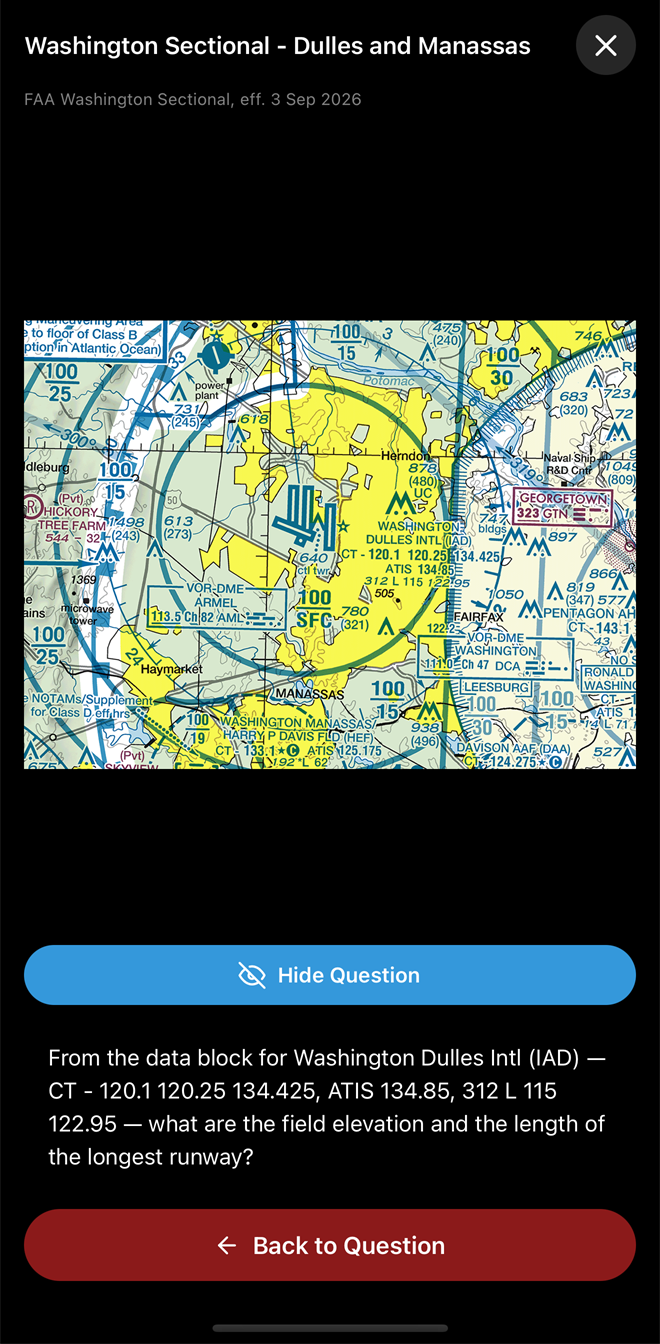
Class B, C and D airspace, restricted and warning areas, MOAs, obstructions, airport data blocks and contour lines, on real sectional chart excerpts.
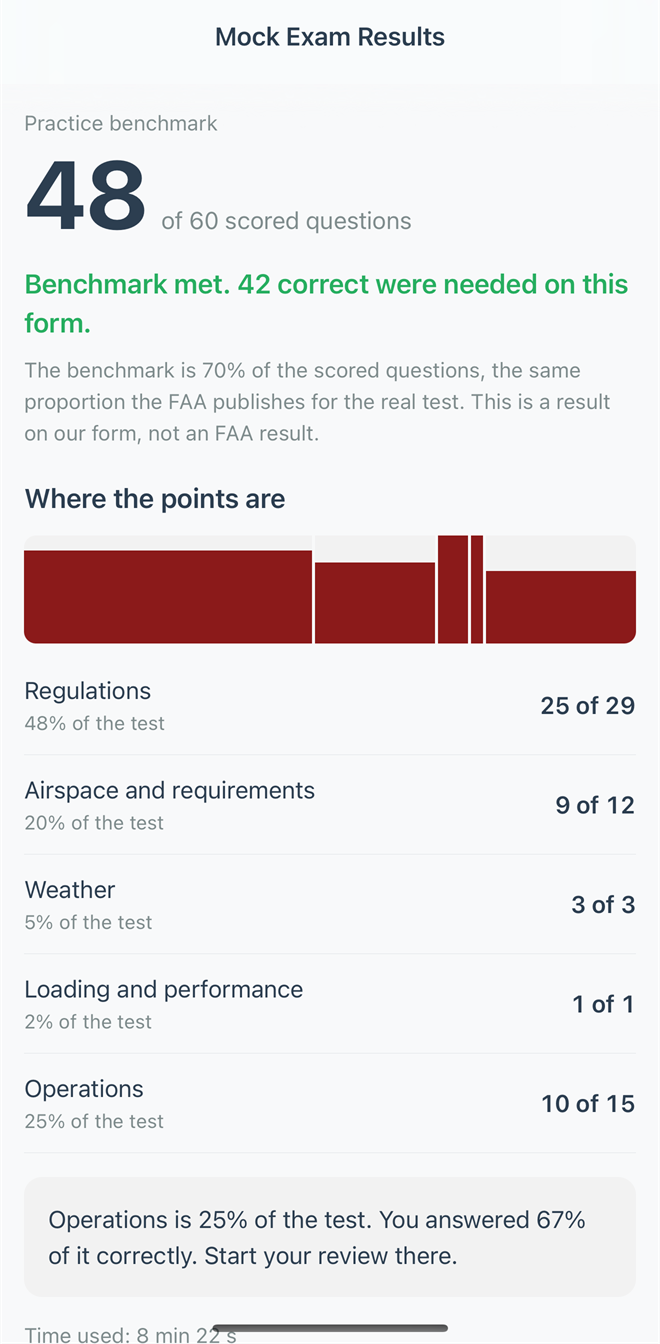
65 questions (60 scored, 5 unscored), 120 minutes and a 70% benchmark, weighted by the current test specification: Regulations 48%, Operations 25%, Airspace 20%, Weather 5%, Loading and Performance 2%.
See the rule behind an answer the moment you miss it, and a review queue brings your misses back until you have them.
Home shows, for each test area, how many of its questions you have mastered, so you know what to study next.
Sign in and your answers and progress are kept under your account, so a new phone or a reinstall picks up where you left off.
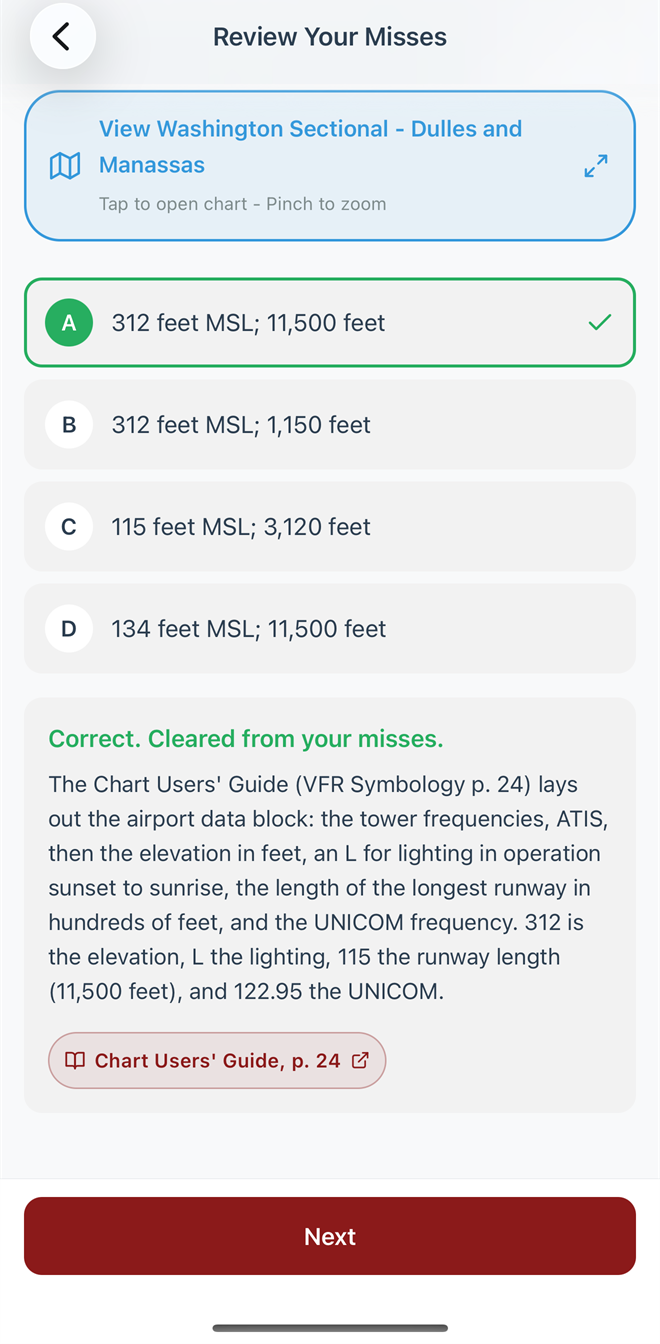
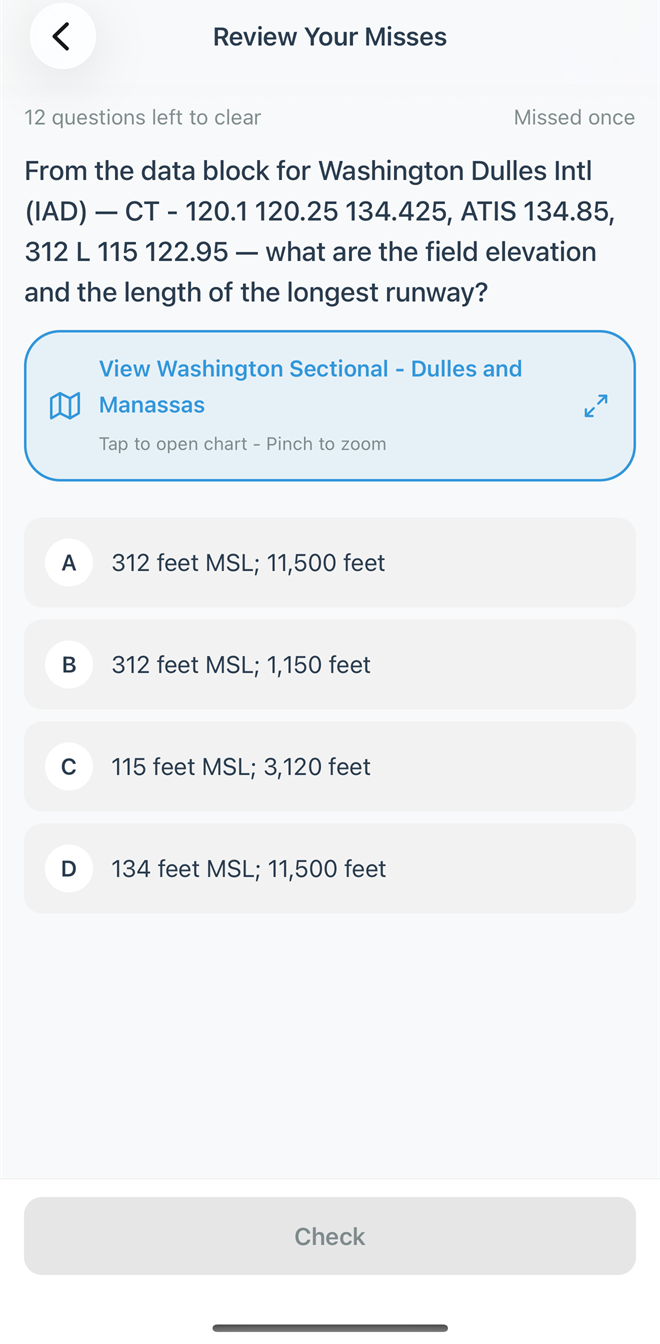
Original practice questions, each cited to its FAA source — not real exam questions.
The first unit and a 10-question practice preview are free, with no account needed. The full course — every unit, the mock exam and the complete question bank — is a subscription. See current prices in the app.
The Remote Pilot knowledge test has 65 multiple-choice questions, 60 of them scored and 5 unscored, with 120 minutes to finish, and you need 70% to pass. The Paratissimus mock exam has the same shape and is weighted by test area the same way.
Anyone flying a drone (small unmanned aircraft) for commercial or other non-recreational purposes in the United States needs a Remote Pilot Certificate under Part 107, or must fly under the direct supervision of a certificated remote pilot in command who can take over at once (14 CFR 107.12).
You must be at least 16 years old, able to read, speak, write and understand English, and free of any physical or mental condition you know would interfere with safely operating a small UAS (14 CFR 107.61).
You take the knowledge test at an FAA-approved testing center and pay its fee to the testing center when you book. Paratissimus™ is study material, not the test.
No. To keep flying under it, you complete the FAA’s free online recurrent training every 24 calendar months — no re-test required (14 CFR 107.65).
No. Every question is original, and each one cites the public FAA source it rests on.
Paratissimus is an independent study aid developed by Hondo Systems. It is not affiliated with, endorsed by, or sponsored by the Federal Aviation Administration, PSI, or any government agency. This app is exam-preparation study material only; it does not issue the FAA Remote Pilot Certificate or guarantee a result. Exam fees, question counts, and requirements are set by the FAA and may change — always confirm current details at faa.gov.
 Paratissimus